
We Bury the Dead
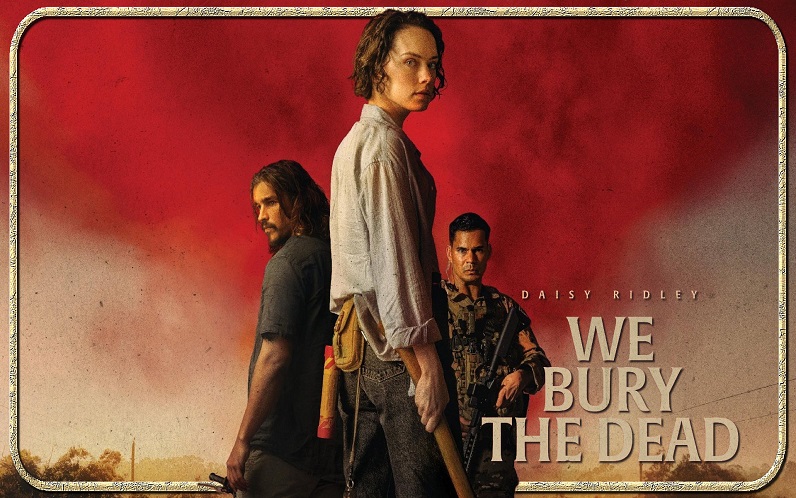
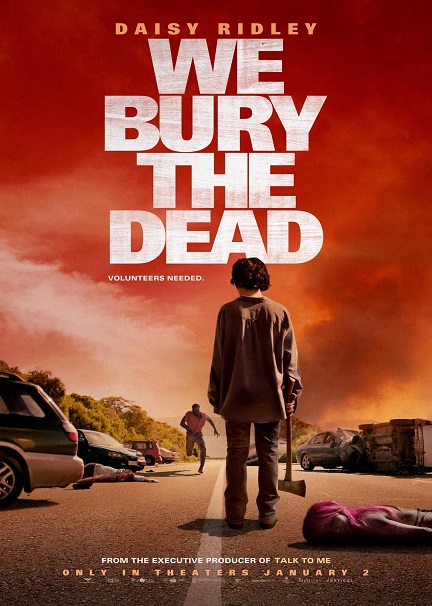
Cast of Characters:
Ava Newman – Daisy Ridley
Clay – Brenton Thwaites
Riley – Mark Coles Smith
Director – Zak Hilditch
Writer – Zak Hilditch
Producer – Kelvin Munro, Grant Sputore, Ross Dinerstein, Joshua Harris & Mark Fasano
Distributor – Vertical
Running Time – 95 minutes
Rated R for strong violent content, gore, language and brief drug use.
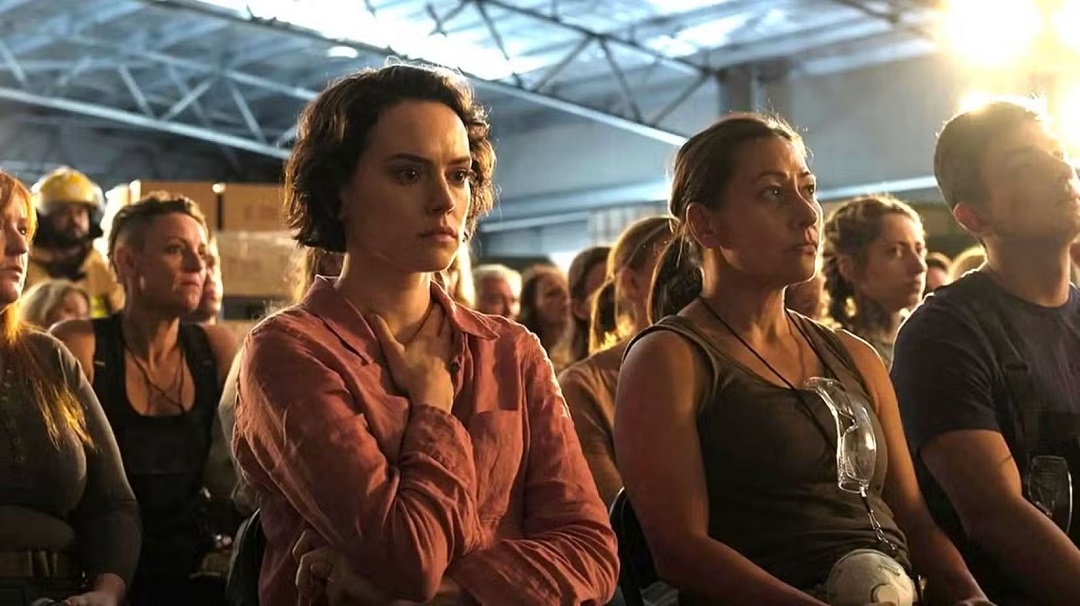
The entire island of Tasmania has been left utterly devastated after an experimental EMP weapon was accidentally set off by the United States. With the fatality count reaching over half a million, the local government is in need of volunteers to help clean up the aftermath. One of those volunteers is American Ava Newman (Daisy Ridley), who is tasked to join the “body retrieval unit”, but her travel intentions go beyond just assisting the nationwide clean-up. She intends to travel south in search of her husband who was in Tasmania on a business trip during the tragedy; however, since his location is beyond the restricted zone, she is prohibited from leaving.
As you’d expect, Ava’s desperate and not simply content to take no for an answer. Teaming up with fellow volunteer Clay (Brenton Thwaites), she finds a way to break free and is determined to find her hubby, even if that means entering a dangerous area populated with the dead… as well as those who, as described by the military, have come “back online”.
While zombie films have explored human nature and societal themes long before it, most notably in George A. Romero’s Night of the Living Dead franchise, 2002’s 28 Days Later reinvigorated the then stagnant horror sub-genre with its gritty, grounded and more realistic approach to the undead. Since then, Oscar-winner Danny Boyle’s groundbreaking film opened up the floodgates to a deluge of character-driven zombie films that focused more on the human response to the event more so than the event itself: the horror comedies Shaun of the Dead and Zombieland, TV series like The Walking Dead and The Last of Us, Arnold Schwarzenegger’s Maggie, South Korea’s Train to Busan and #Alive, Norway’s Handling the Undead and Australia’s Cargo. Even 28 Days Later itself has been given a resurgence lately with last year’s 28 Years Later and its next entry, The Bone Temple, opening later this month.
Now we have We Bury the Dead, which kicks off the 2026 film year, and promises us that their undead “are unlike any we’ve seen on film before.” Such marketing might, understandably, be seen as overkill, considering if you just go back a paragraph a peruse through the list of films I presented, it’s hardly the first film to portray these never seen on film before zombies.
I mean, I get it. What else are they gonna say, “Hey, we tried, but we really suck at this.”, but let’s calm down on the hype here.
So, We Bury the Dead certainly isn’t redefining zombies, and at times, seems blatantly noncommittal to them. While these zombies do occasionally exhibit rage, most of the traits commonly associated with the monster, specifically viral transmission and hunger for the living, are absent. Additionally, not all of the dead are, as they say in the film, brought back online. With its focus set almost solely on the human element, you could argue if it was even necessary to include zombies as a plot device. Yet, despite its few shortcomings, We Bury the Dead still works, thanks in part to that human element in its story.
Grief and trauma isn’t anything new to the horror genre these days; in fact, ever since The Babadook and Hereditary suddenly made thematic exploration in horror cool again back in the 2010s, every sub-genre has been beating that dead horse so aggressively, it should be considered animal abuse. For every grounded zombie film I listed above, I could list another million more recent horror films that have been telegraphing “IT’S ABOUT TRAUMA, VIEWERS!!” like a massive, blinding Vegas sign. Thankfully, Hilditch never gets too heavy-handed or on the nose with his themes, opting for a more subtle, atmospheric approach that examines, yes, grief and trauma, but more so one’s need for closure and healing amid personal tragedy.
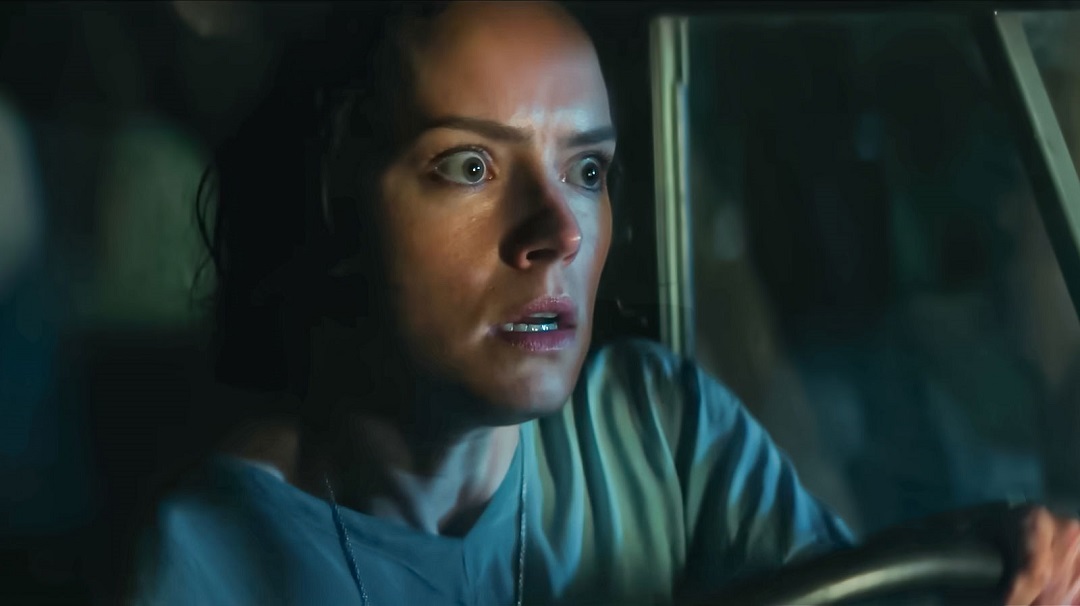
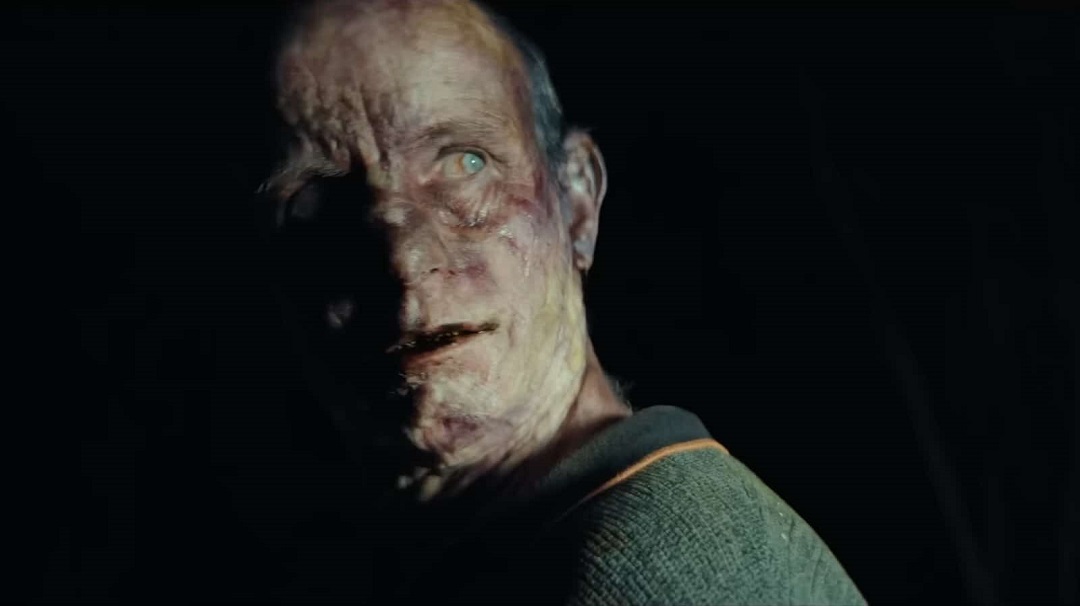
Of course, Hilditch doesn’t shy away entirely from zombie thrills, delivering a couple of close encounters between Ava and the undead that are genuinely nerve-racking. These are further aided by the zombie’s recurring and quite unsettling teeth-grinding noise that is captured to great effect by Duncan Campbell’s exquisite sound design. But sometimes it’s silence that resonates the loudest, and it’s in those quieter moments that We Bury the Dead finds its strength, particularly during a standout moment Ava has with an RV-dwelling zombie that is both deeply affecting and heartbreaking.
The MVP of this film, however, is Daisy Ridley. It’s unfortunate that since the world discovered she’s “somehow” Palpatine’s granddaughter in the highly disappointing Star Wars sequel trilogy, her best work has been overlooked. In a just world, we would all be talking more about her turns in Sometimes I Think About Dying, Magpie and Young Woman and the Sea instead of Star Wars, Chaos Walking and Peter Rabbit. That said, she’s fantastic here, adding another stellar indie turn to her resume. As the film’s emotional core, Ridley effortlessly carries the entire film with a raw, subdued performance that superbly conveys so much of Ava’s desperation and internal struggle. It’s the type of restrained performance that speaks volumes of her character’s pain and longing for meaning with only a subtle expression, and it works wonderfully because of said restraint, not in spite of it.
Brenton Thwaites also turns in fine supporting work as Clay, the grungy, rough-around-the-edges reluctant tag-along to Ava’s journey. Thankfully, their relationship that gradually evolves over the course of the film remains platonic, and avoids the obligatory third-act romantic development. Mark Coles Smith appears as a rogue soldier, whose own deep-seated grief has him initially bonding with Ava before morphing into something more unsettling. It’s in those moments that the film starts veering away from its somber, grounded reality and into the realm of horror, succumbing to the age-old zombie trope of “avoid the dead, beware the living”. Slightly jarring shift in tone aside, Coles Smith’s Riley still serves as a mostly effective depiction of the “monster” grief can deteriorate one into becoming.
Closing Statement: We Bury the Dead may not reinvent the zombie genre, but writer/director Zak Hilditch’s thoughtful meditation on the undead’s effect on the living, anchored firmly by Daisy Ridley’s terrific lead performance, make it a poignant journey worth exploring.
Silver Screen Fanatic’s Verdict: I give We Bury the Dead a B+ (★★★).
About Post Author
